
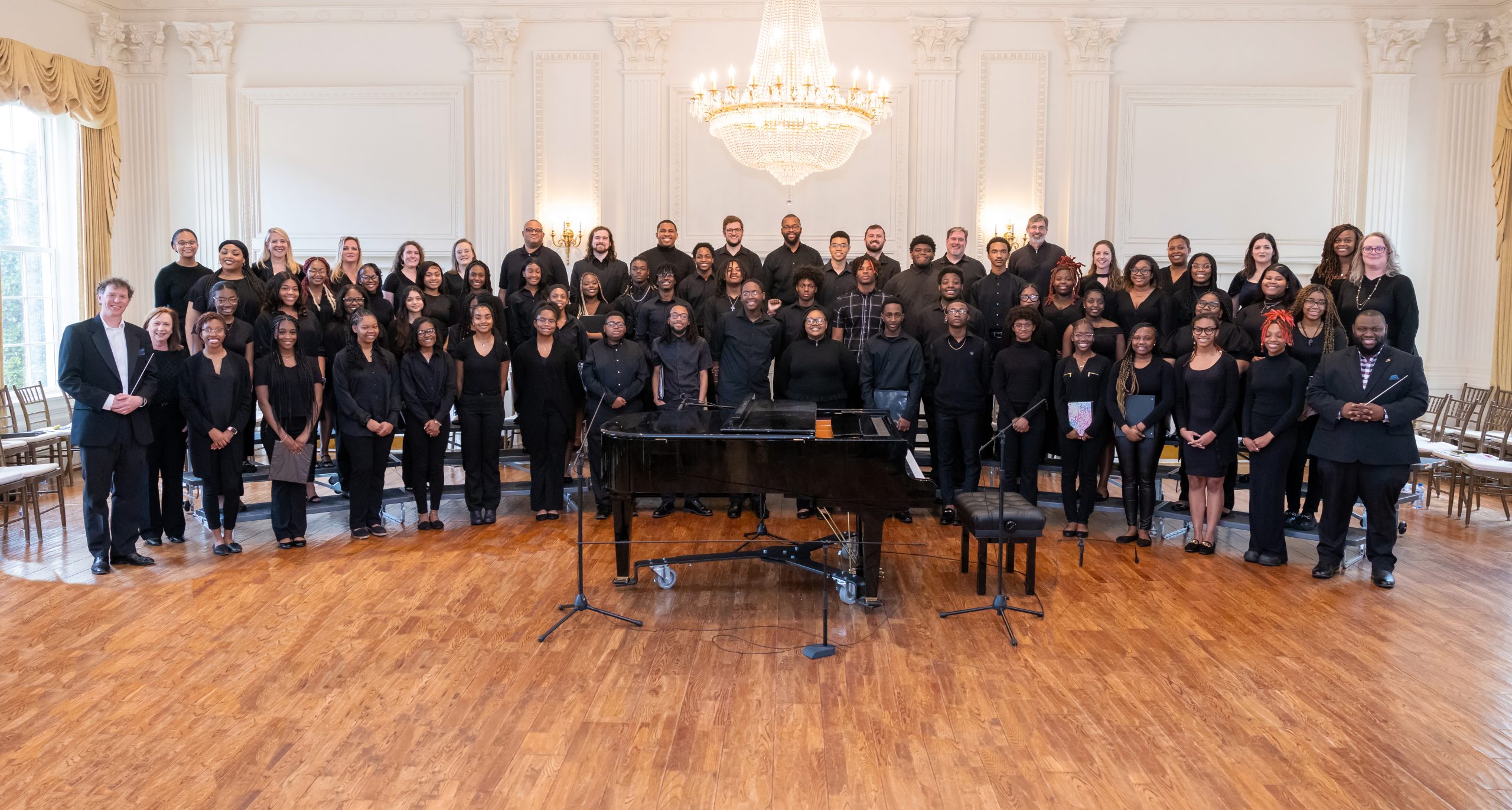
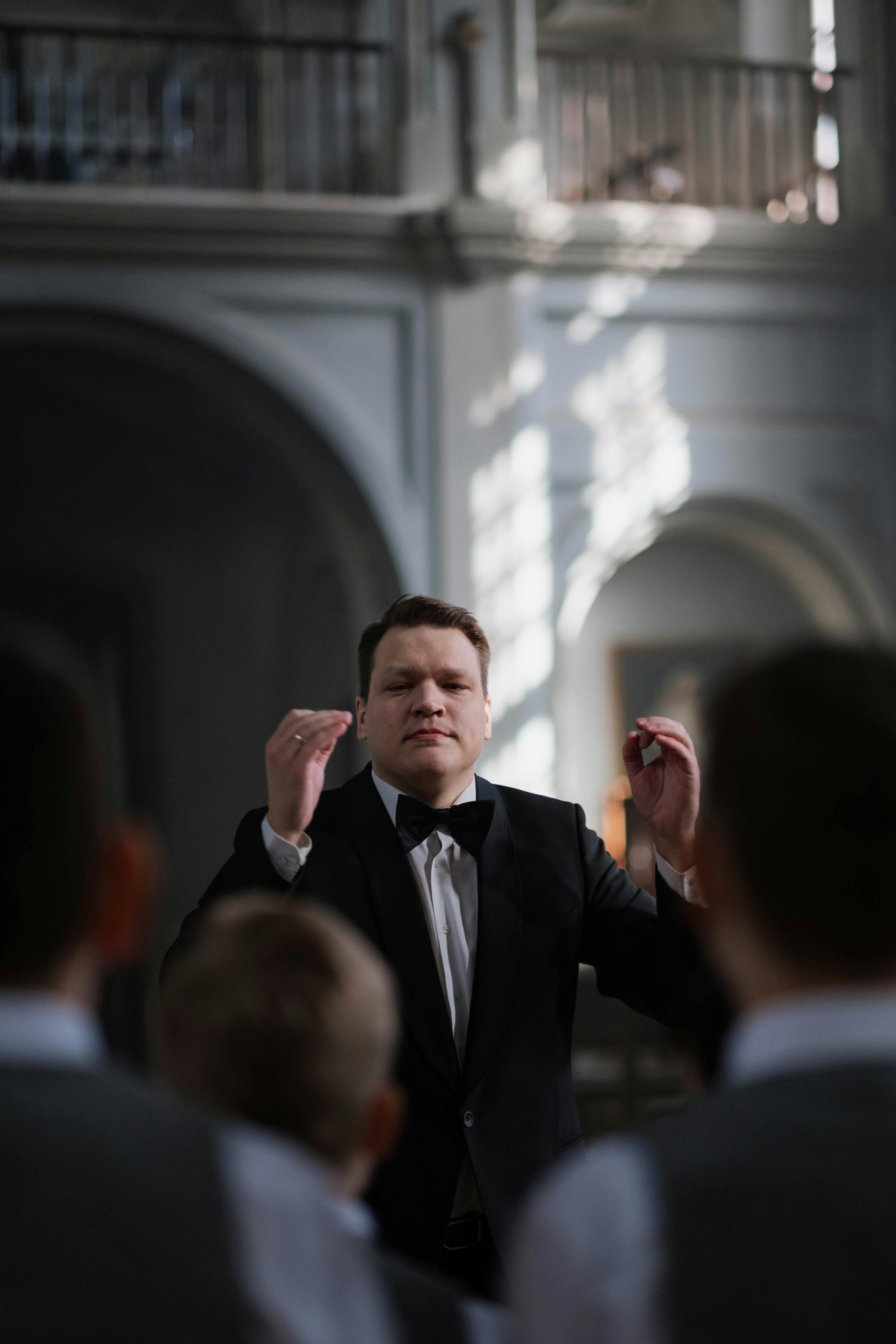
Chamber choirs represent the pinnacle of choral artistry, offering singers and audiences an experience distinct from large symphonic choruses. Typically consisting of 12 to 24 highly skilled voices, this smaller scale is precisely what gives the chamber choir its unique brilliance and appeal.
Intimacy and Precision
The limited number of singers fosters an environment of intense musical focus and intimacy. Every voice is essential, and there’s no place to hide. This demands a high level of individual skill, requiring each singer to contribute not just volume, but also precision in intonation, rhythm, and blend. The result is an incredibly nuanced sound where the complex texture of polyphony (multiple independent melodic lines) can be heard with astonishing clarity. Audiences often feel closer to the music, almost as if they are part of the detailed conversation between the vocal parts.
Repertoire and Versatility
Chamber choirs excel in performing repertoire originally intended for small ensembles, such as Renaissance madrigals, Baroque motets, and contemporary works that explore experimental textures. Their size allows for incredible versatility; they can adapt quickly to different performance spaces—from resonant cathedrals to intimate recital halls—and tackle a wider range of challenging music with agility.
Joining a chamber choir, or attending one of their concerts, is an invitation to experience vocal music at its most refined. It’s a rewarding pursuit for singers seeking demanding music and deep connection, and a sonic feast for listeners who appreciate the delicate balance and extraordinary skill of voices performing in perfect harmony.