
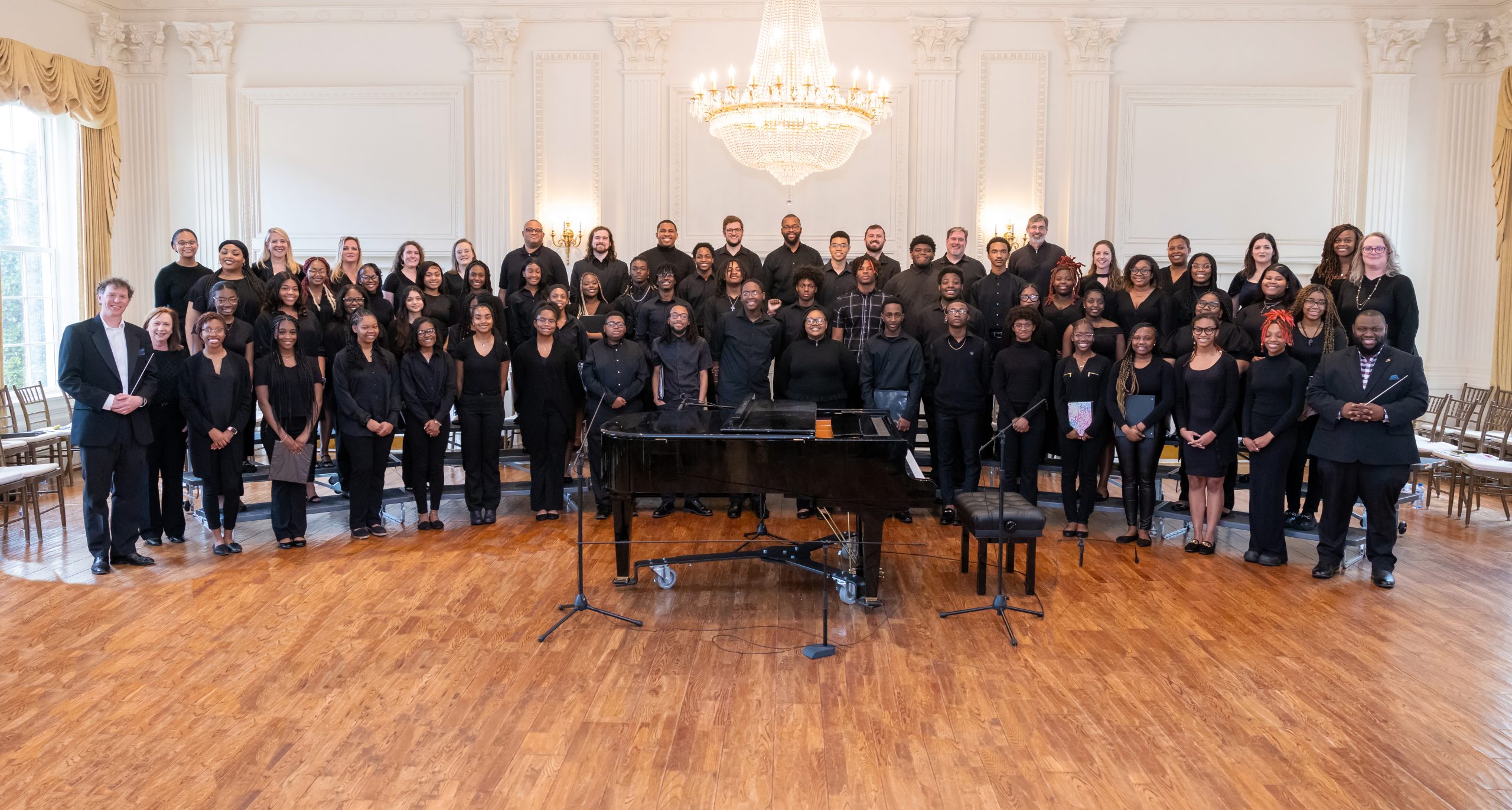

Hitting the High Notes: Preparing for Your Chamber Choir Audition
The prospect of auditioning for a chamber choir—a small, highly skilled ensemble—is both exciting and daunting. These groups demand not only vocal precision and excellent musicianship but also the ability to blend seamlessly with a handful of other voices. Preparation is paramount. A focused, systematic approach will help you showcase your best self and demonstrate that you possess the unique qualities a chamber choir seeks.
1. Know Your Instrument and Your Piece (The Fundamentals)
First and foremost, your voice needs to be in top condition. Ensure you have a routine for consistent warm-ups in the days leading up to the audition, focusing on breath control, intonation, and clarity across your range. Avoid taxing your voice the day before.
Selecting the right audition piece is crucial. Chamber choirs often look for singers who have flexibility and versatility.1 Choose a song, typically classical or art song, that:
- Showcases your best vocal qualities: Is your tone clear? Is your range strong? Pick a piece that highlights your strengths.
- Demonstrates technical control: Include passages that require excellent intonation, legato line, or dynamic contrast.
- Contrasts with your sight-reading/quartet skills: If you struggle with sight-reading, your solo needs to be impeccable.
Memorize your piece thoroughly. A slip-up in an intimate audition setting is more noticeable than in a large chorus call. Practice performing it not just for sound, but with confidence and appropriate emotional connection.
2. Research the Choir and Its Repertoire (The Blend Factor)
A chamber choir isn’t just looking for a soloist; they’re looking for a collaborator. Audition panels want to know that you understand their specific sound and style.
- Study the Repertoire: Review their past programs, recordings, or website. Does the choir focus on early music, contemporary works, or mostly a cappella singing? Understanding this will inform your tone. A choir specializing in Renaissance polyphony will prefer a straighter tone with less vibrato, while one performing Romantic works might favor a richer sound.
- Listen Critically: Pay attention to their blend and balance. Practice singing your solo with an ear toward “choral tone,” focusing on a clean, focused sound that can be shaped to match others.
- Dress Appropriately: While a full gown or tuxedo isn’t necessary, dressing neatly and professionally shows respect for the ensemble and the formality of the audition process.
3. Master the Musicianship Tests (The Essential Skills)
Unlike a large chorus, where one or two weak singers can be absorbed, every member of a chamber choir must be an accomplished musician. The audition will almost certainly include tests of musical literacy.
- Sight-Reading: This is often the most challenging component. Practice reading a variety of styles (e.g., Bach chorales, madrigals) and clefs (alto and tenor clefs are sometimes included). Focus on rhythm first, then pitch. Even if you only get 80% correct, showing a steady beat and good rhythmic reading is impressive.
- Tonal Memory/Intervals: Be ready to match pitch, sing intervals, or repeat short melodic phrases (like a call-and-response test). Practice singing a scale and identifying intervals randomly.
- Blending and Quartetting: Many chamber choir auditions require singing in a small ensemble setting, usually a quartet, with the current members or other auditionees. Your goal here is to listen more than you sing. Subdue your voice slightly, match the vowel sounds of your neighbors, and adjust your pitch (especially when singing chords) to achieve perfect, ringing intonation.
4. Practice the Audition Experience
Nerves are inevitable, but preparation can minimize their impact. Practice the entire scenario: walking into the room, handing over your music (neatly in a folder for the accompanist), greeting the panel, adjusting to the acoustics, and performing your piece, followed by the sight-reading.
Remember to take a breath, smile, and be polite. A chamber choir is a small community. Your demeanor—your ability to take direction, your enthusiasm, and your humility—is just as important as your high C.
Walk in prepared, sing with confidence, and show them that you are not just a singer, but a committed, intelligent musician ready to be an essential piece of their musical puzzle.